
June 20, 2024

During growth and development, in many cases, idiopathic scoliosis tends to worsen. Factors influencing the progression of scoliosis include the location and magnitude of the scoliotic curve by Cobb angle, apical vertebral rotation, and bone maturity.
May 29, 2024
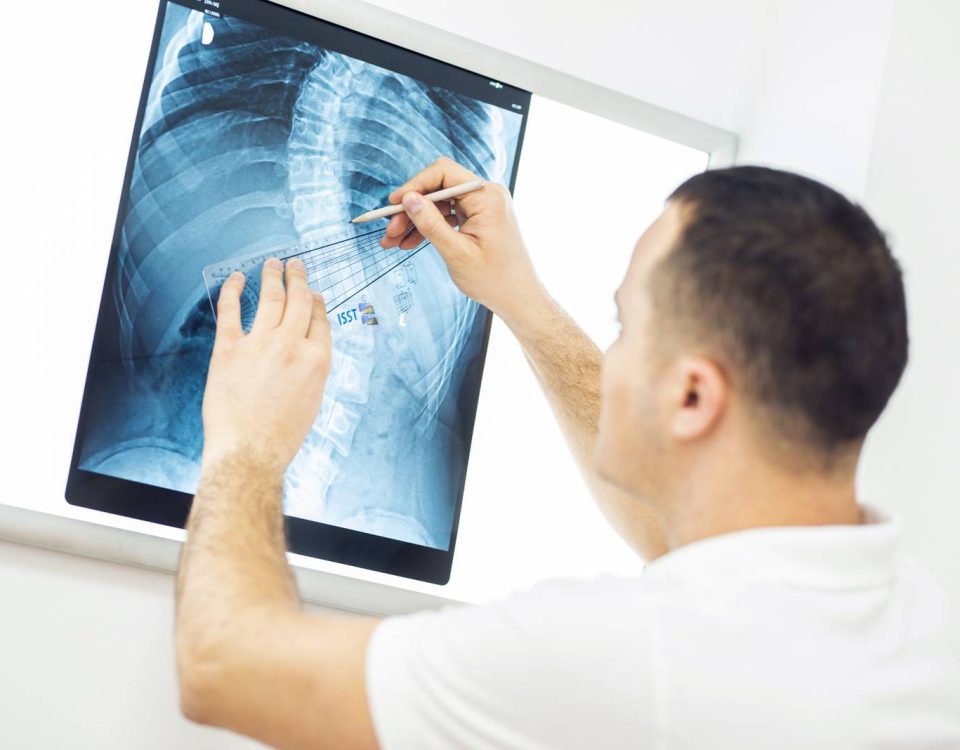
The clinical picture or clinical status represents all the changes in the child's body that occurred as a result of the deformity. The clinical picture is determined on the basis of a visual examination.
April 5, 2024

Because scoliosis is visible, teenagers try to hide their deformity in an incorrect way, and this may cause back pain. In this way, they affect their quality of life, their self-confidence, their self-esteem, and risks of stress and depression are increased.
February 6, 2024
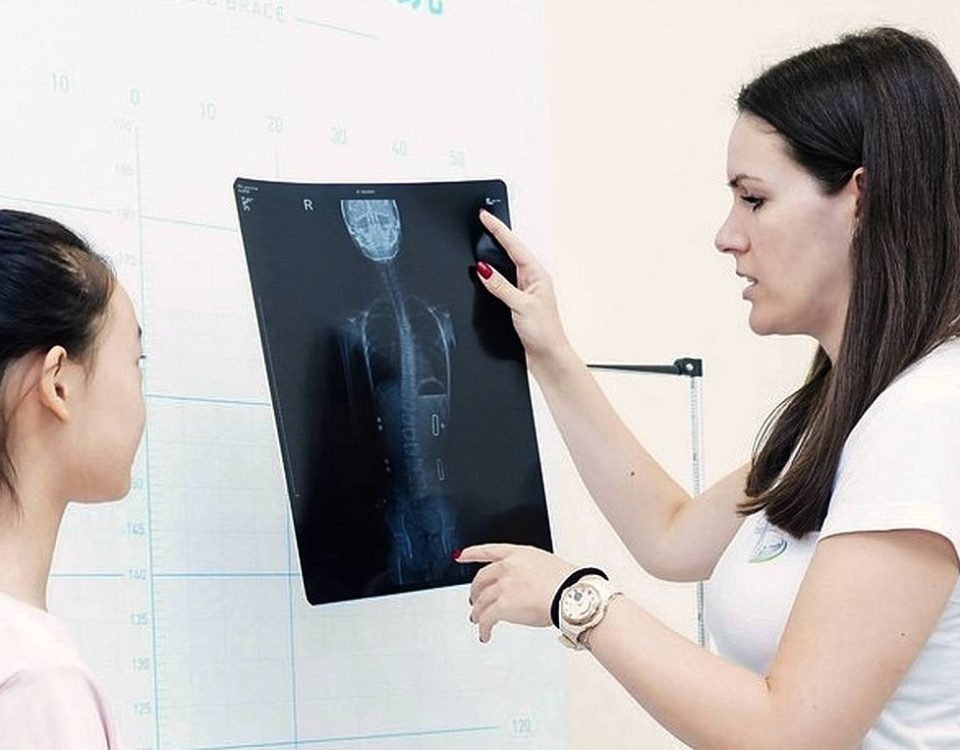
In the period when the sudden growth starts, in girls physiological curves have not yet been formed, that is, natural kyphosis and lordosis have not yet been formed. The spinal column in this phase of growth is always in the position of a flat back and is always unstable, although that does not necessarily mean that scoliosis will occur.
January 12, 2024


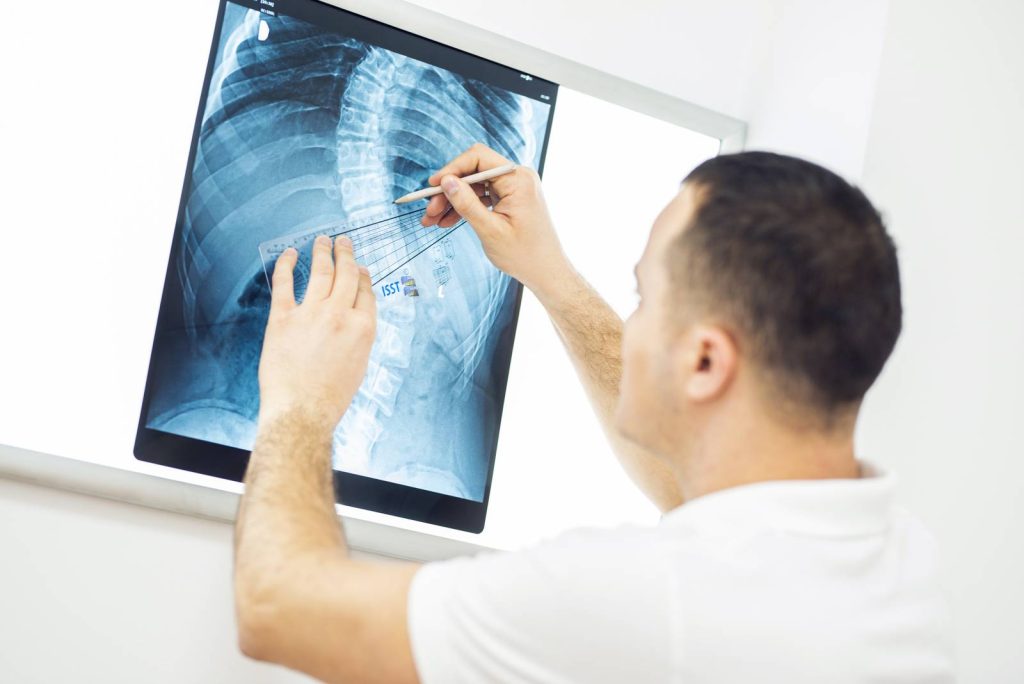

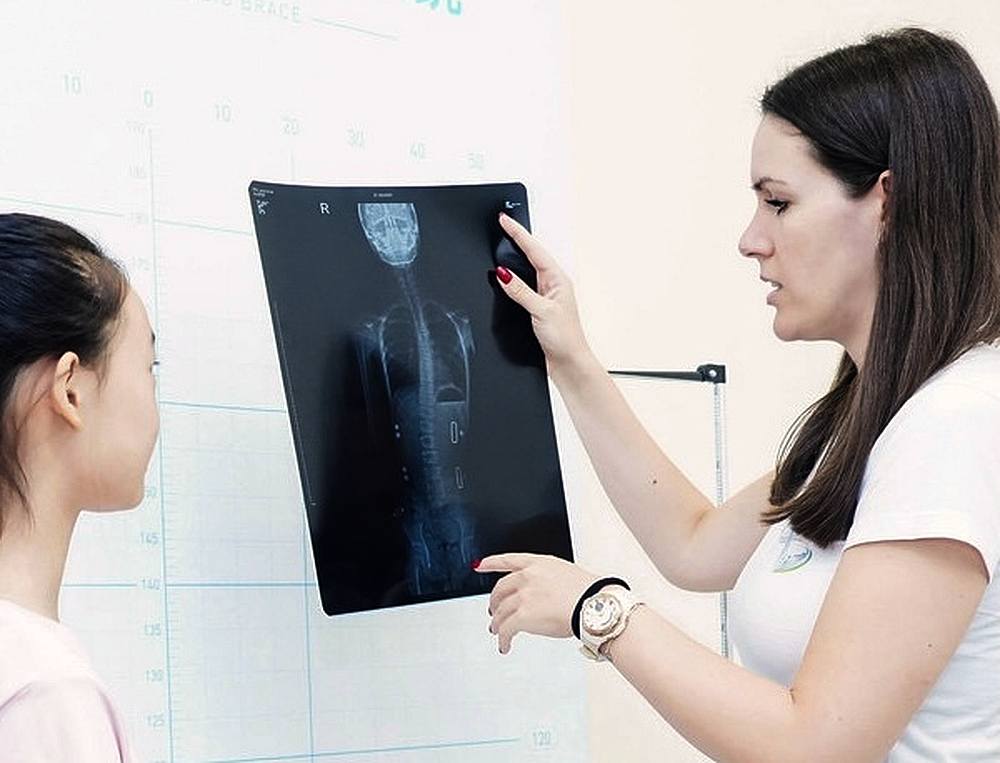

Spinal deformities in adults can have a significant impact on their quality of life. Most often it occurs as a consequence of untreated or inadequately treated adolescent idiopathic scoliosis. Patients with adult scoliosis have a different clinical and radiological picture compared to patients with adolescent idiopathic scoliosis. Differences include degenerative changes within the curve, a natural history of deformity progression, and clinical symptoms.